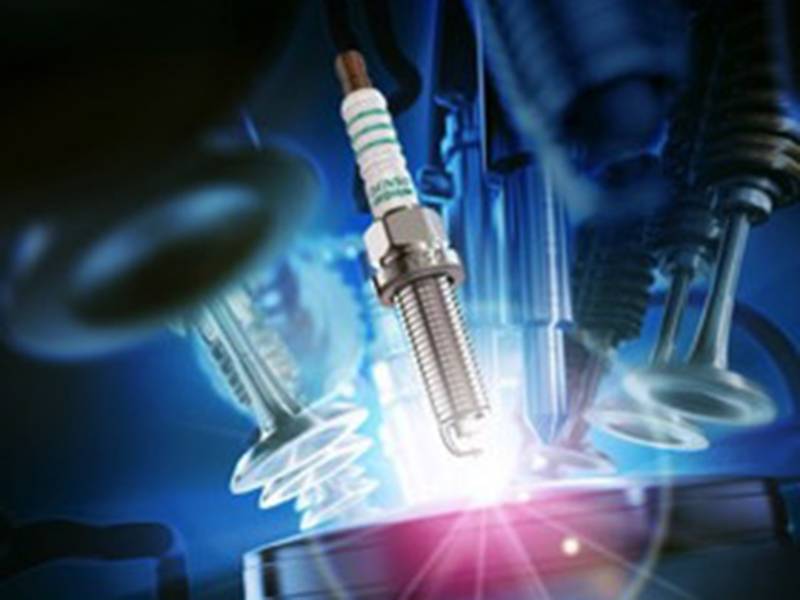
If you’re striving to boost your vehicle’s performance while maximizing fuel efficiency, iridium and ruthenium spark plugs are your best bet. Dominating the markets in Germany, Japan, and the USA, these plugs are engineered from advanced materials by industry leaders like NGK, Bosch, and Denso. Each is designed not only to deliver outstanding engine performance but also to improve fuel consumption by up to 5%—a significant factor for any driver.
By providing a consistent and powerful spark, these plugs help optimize combustion, extending engine longevity and efficiency. Let’s dive deeper into how these spark plugs can transform your driving experience.
How Do Iridium and Ruthenium Spark Plugs Optimize Fuel Consumption?
Iridium spark plugs play a pivotal role in driving fuel savings. Their advanced ignition systems ensure a more complete burning of the air-fuel mixture, leading to lower fuel consumption and reduced emissions. Research indicates that vehicles equipped with iridium plugs consume significantly less fuel compared to those using standard models, thanks to the stability and intensity of their spark. With a high melting point of 2,450°C, iridium plugs feature a remarkably thin center electrode, creating a precise and intense ignition.
On the other hand, ruthenium spark plugs—the latest innovation in the spark plug realm—deliver even more sparks, as comparative assessments have shown. Both types are designed to maintain a consistent electrode gap, ensuring reliable ignition and sustained performance.
What Are the Quantifiable Benefits of Iridium Spark Plugs on Fuel Economy?
The fuel savings offered by iridium spark plugs can vary based on your vehicle model and driving conditions. However, automotive research has unveiled impressive savings: a motorcycle equipped with iridium plugs achieved an astounding 38 km/L, surpassing the 37.2 km/L of standard plugs—an impressive gain of 8 km for every 10 liters consumed. Reports also suggest that iridium plugs can increase engine power by 1-2 additional horsepower per cylinder relative to standard platinum or copper plugs.
It’s crucial to note that achieving optimal fuel consumption goes beyond just upgrading to better spark plugs. For maximum efficiency, ensure your engine is well-maintained and boosted by an air intake system that guarantees sufficient airflow. High-performance air filters can significantly enhance your vehicle’s volumetric efficiency, optimizing air-fuel mixtures. However, experts caution that the actual impact on modern vehicles may vary and could be relatively minor.
Which Spark Plug Brands Lead by Region for Fuel Efficiency?
Choosing the right spark plug involves understanding engine compatibility and the distinct preferences of Original Equipment Manufacturers (OEM) unique to each region. Below is a concise overview of the top brands and their recommended spark plugs for fuel efficiency across Germany, Japan, and the USA.
What Are the Best Spark Plug Options in Germany?
Bosch stands out in Germany, renowned as a leading OEM provider recognized for quality and reliability. Since 2005, it has been voted “Best Brand” by readers of major automotive magazines such as Auto Motor und Sport and Auto Bild. Bosch’s offerings include double platinum and EVO models, engineered for dependable ignition under the demanding conditions of modern engines.
The iridium and double platinum plugs from Bosch are particularly suited to the discerning German driver, emphasizing precision engineering and enhanced durability. Their optimized heat transfer technology helps prevent overheating, ensuring stable and effective performance.
Which Spark Plugs Excel in Japan for Efficiency?
In Japan, NGK Spark Plug Co., Ltd. holds the title of the largest spark plug manufacturer globally, with a legacy of innovation dating back to 1936. As an OEM provider for various automotive brands, NGK continually enhances spark plug technology for superior combustion efficiency. Their iridium and ruthenium plugs receive specific acclaim for their thin center electrodes, which promote concentrated sparks and improved fuel efficiency.
Denso, another prominent Japanese brand, offers innovative spark plugs like the Iridium Power, boasting a slender 0.4mm electrode diameter, enhancing ignition concentration for optimal fuel performance.
What Are the Spark Plug Recommendations in the USA?
In the USA, drivers can choose from a wide array of NGK, Bosch, and Denso spark plugs—top-tier options recognized for bolstering performance and enhancing fuel efficiency. Iridium plugs from these manufacturers provide longevity, lasting between 80,000 to 130,000 km, thereby significantly reducing the frequency of replacements while maintaining consistent long-term performance. When selecting, pay attention to the specific vehicle model, as iridium plugs require precise compatibility and careful installation due to their slender electrodes.
The choice between iridium and ruthenium plugs often revolves around the manufacturer’s guidelines and personal preferences—balancing durability against performance advantages. For additional insights, continue to explore in the article Choosing the Best Spark Plugs for Enhanced Performance and Fuel Economy.
What Are the Key Differences Between Iridium and Ruthenium Spark Plugs?
Selecting between iridium and ruthenium spark plugs—leaders in fuel efficiency—boils down to their technical specifications and implications for engine performance. The following table outlines key distinctions:
| Feature | Iridium Spark Plug (e.g., NGK Laser Iridium, Bosch Iridium) | Ruthenium Spark Plug (e.g., NGK Ruthenium HX) | Platinum Spark Plug (Standard Reference) |
|---|---|---|---|
| Center Electrode Material | Iridium (extremely hard and corrosion-resistant metal) | Ruthenium (noble metal, innovative technology) | Platinum (noble metal, robust durability) |
| Center Electrode Diameter | Very fine (typically 0.6mm to 0.4mm) | Finer than iridium in certain designs | Thicker than both iridium and ruthenium |
| Estimated Lifespan | 80,000 – 130,000 km (up to 4 times that of copper) | Up to 160,000 km (exceeding iridium in select models) | 60,000 – 100,000 km (3 times that of copper) |
| Impact on Fuel Efficiency (MPG) | Notable consumption reduction (up to 2% – 5% in optimal conditions) | Optimized fuel performance, potentially superior spark | Less influence on fuel savings compared to iridium |
| Resilience to Extreme Temperatures | Up to 2400°C, excellent resistance | Comparable or superior to iridium | High resistance |
| Relative Cost | More costly than platinum or copper | Identical or marginally higher than iridium | Cheaper than iridium, pricier than copper |
Powered by the concentrated spark, the iridium spark plug enhances ignition timing and reduces energy loss, directly improving performance and fuel combustion efficiency. Conversely, even though it’s relatively new, ruthenium technology presents a tantalizingly performance-oriented option with the potential for even more robust spark delivery in specific applications.
How to Identify Spark Plug Failures and Avoid Increased Consumption?
Understanding the symptoms of failing spark plugs is crucial for maintaining fuel efficiency. Key indicators include rising fuel consumption, irregular engine idle, misfires, delayed acceleration, increased emissions, and a noticeable decrease in performance. These warning signs indicate that the ignition process within your vehicle’s combustion chambers is compromised, disrupting the synchronized detonation of the air-fuel mixture.
For instance, uneven idling occurs when a spark plug fails to ignite the air-fuel mixture at the right moment, leading to a disjointed engine operation. This issue directly undermines operational efficiency. For a comprehensive discussion on these issues, refer to the article 7 Warning Signs Your Car Spark Plugs Are Failing and How to Fix Them.
Frequently Asked Questions (FAQ)
Do Iridium Spark Plugs Really Improve a Car’s MPG?
Yes, iridium spark plugs do boost MPG by delivering a stable and powerful spark, facilitating complete combustion of the air-fuel mixture and minimizing fuel consumption.
How Long Does a Ruthenium Spark Plug Last Compared to an Iridium One?
Ruthenium spark plugs typically last longer than iridium ones, with particular models offering lifespans of up to 160,000 km, compared to 80,000-130,000 km for iridium plugs.
Is Calibration Necessary for NGK Iridium Spark Plugs?
Generally, NGK iridium spark plugs come pre-calibrated from the factory. Adjustments to the electrode gap could potentially damage the delicate iridium tip.
What Impact Do High-Performance Air Filters Have on Fuel Economy?
High-performance air filters can improve fuel economy by enhancing airflow for more efficient combustion. However, the actual benefits may be minimal for modern vehicles and can vary by model.